Hidden Delites Blog
What Is Silver and Where Does It Come From?
Silver has been treasured for thousands of years, but it is far more than a beautiful metal. It begins deep in the Earth, passes through mining and refining, and eventually reaches the silversmith as sheet, wire or other workable forms ready to become jewellery.

What Exactly Is Silver?
Silver is a naturally occurring chemical element with the symbol Ag. It is a precious metal known for its bright appearance, excellent electrical and thermal conductivity and ability to be worked into detailed shapes.
In nature, silver may occur in its native metallic form, but much of the world's silver is recovered from ores containing other metals such as lead, zinc, copper and gold.
What Is an Ore?
An ore is naturally occurring rock or mineral material containing substances that can be economically extracted. The valuable metal is usually mixed with many other minerals, so mining is only the beginning of the process.
After ore is removed from the ground, it must be processed so that the silver-bearing material can be separated and refined.
From Ore to Silver
The exact extraction process depends on the type of ore and the other metals present. Mining operations may crush and concentrate the ore before using smelting, chemical processes, electrolytic refining or a combination of methods to separate and purify the metals.
The result can eventually be refined silver suitable for industrial use, investment products or further processing for jewellery manufacture.

How Does Silver Reach a Silversmith?
Jewellery makers do not normally begin with a lump of rock from a mine. Refined silver is processed into practical forms such as sheet, wire, grain, tubing and ingots.
A silversmith can then cut, bend, solder, hammer, twist, polish and shape the metal into a finished design. Some makers also recycle suitable old silver jewellery, silverware or manufacturing offcuts.
Pure Silver vs Sterling Silver
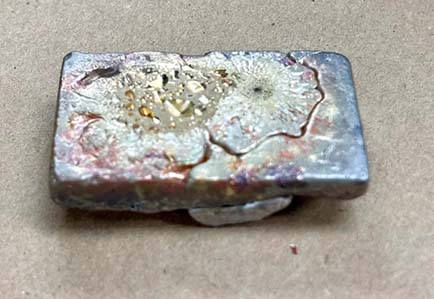
Pure silver is relatively soft, which is not always ideal for jewellery that needs to hold its shape. Sterling silver solves this by combining silver with a small proportion of other metal.
Sterling silver is 92.5% silver, which is why you often see the number 925 associated with sterling jewellery. The remaining 7.5% is alloying metal, commonly copper, added to improve strength and working properties.
This balance of beauty and practicality is one reason sterling silver has remained such an important jewellery material.
What Is a Troy Ounce?
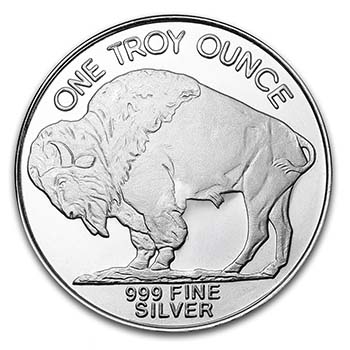
Precious metals such as silver and gold are traditionally quoted by the troy ounce. One troy ounce is approximately 31.1035 grams, compared with approximately 28.35 grams for the everyday avoirdupois ounce.
This is important when looking at silver prices because a quoted price per ounce in the precious metals market normally means a troy ounce.
Why Does the Price of Silver Change?
Silver is traded internationally, and its market price changes continually. Supply from mining and recycling, industrial demand, investment demand, economic conditions and currency movements can all influence the price.
For a jewellery maker, rising silver prices matter because the raw material cost of a substantial piece can become a significant part of the finished price — particularly with large, heavy designs.
Rather than putting a today's-price figure into this article, which quickly becomes outdated, you can read our Rising Silver Prices article for more about how changing metal costs affect jewellery.
Silver Is Much More Than a Jewellery Metal
Silver is valued for its electrical and thermal conductivity as well as its reflective properties. It is used in electronics, electrical contacts, solar technology and many other industrial applications.
That combination of industrial usefulness and precious-metal status makes silver particularly interesting: the same element used in advanced technology can also be shaped by hand into a piece of personal jewellery.
Why Hidden Delites Uses Sterling Silver
At Hidden Delites, silver is not simply a decorative coating. Our silver designs are handcrafted from sterling silver, allowing us to create jewellery with real weight, shape and character.
It works particularly well for our cock rings, nipple jewellery and other body jewellery because it can be formed into both delicate and substantial designs.

From the Earth to a Piece of Jewellery
The next time you hold a silver ring, it is worth remembering how many stages came before it: geological processes formed the deposit, ore was mined and refined, the silver was prepared for metalworking and finally a maker transformed it into something wearable.
That journey is part of what makes handcrafted silver jewellery so appealing. A naturally occurring element becomes something personal, designed to be worn and enjoyed for years.
Silver begins in the Earth. What happens next is where craftsmanship begins.
Questions & Answers About Silver
Where does silver come from?
Silver comes from naturally occurring mineral deposits in the Earth. It may occur as native silver, but much of the world's silver is recovered from ores containing other metals such as lead, zinc, copper and gold.
Is sterling silver real silver?
Yes. Sterling silver is real silver. It contains 92.5% silver, with the remaining 7.5% usually made up of another metal such as copper to improve its strength.
Why is sterling silver marked 925?
The number 925 refers to the silver content. Sterling silver contains 925 parts silver out of every 1,000 parts, which is equivalent to 92.5% silver.
Why isn't pure silver normally used for jewellery?
Pure silver is relatively soft. Adding a small amount of another metal creates sterling silver, which is stronger and better able to hold its shape while retaining the appearance and character of silver.
What Do You Think?
Did you know how many stages silver passes through before it becomes jewellery? Do you prefer the cool brightness of silver or the warmer look of gold? Your comments, feedback and ideas are always welcome.
Hidden Delites has been making custom handmade nipple and body jewelry since 2001.
Your comment has been submitted and will appear after approval.