Hidden Delites Blog
How Quickly Might Silver Run Out?
Silver is essential to jewellery, electronics, solar technology and many other industries. That has led to an intriguing question: could the world's known silver reserves eventually be depleted?

A simple reserves-to-production calculation can produce a figure of roughly two decades, but that should not be read as a countdown clock. Reserves change as prices, technology, recycling, exploration and new discoveries change.
What the calculation does show is why silver supply matters. Demand for this highly useful precious metal extends far beyond jewellery.
Above-Ground Silver
Large quantities of silver have already been mined throughout human history. Unlike much of the world's gold, however, silver has been widely used in industrial products as well as jewellery, coins and silverware.

Important uses of silver include:
Electronics — silver's electrical conductivity makes it valuable in many components.
Solar technology — photovoltaic cells use silver in conductive applications.
Medical and specialist applications — silver's properties make it useful in selected medical products.
Jewellery and silverware — one of silver's oldest and most beautiful uses.
Photography — historically a major consumer of silver compounds.
Silver Reserves Still Underground
Published estimates of global silver reserves represent deposits considered economically recoverable under current conditions. They are not a fixed measure of every ounce of silver remaining beneath the earth.
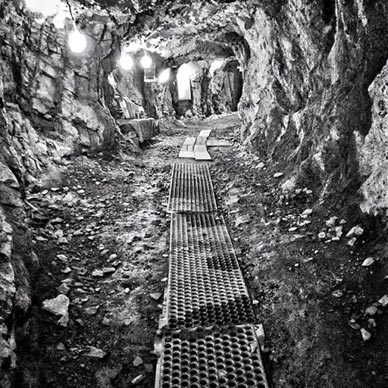
Countries including Peru, Poland, Australia, Russia, China and Mexico have significant identified silver resources and reserves. As exploration continues, deposits can be added, reclassified or become economically viable when market conditions change.
Annual Silver Mining Production
Global mines produce tens of thousands of tonnes of silver each year. Comparing annual production with known reserves is where the often-quoted “around 20 years” idea comes from.
But it is a rough calculation rather than a prediction that mining will stop on a particular date. Recycling, new discoveries, changing demand and improved extraction methods all affect the long-term picture.
What Happens If Silver Becomes Scarcer?
Scarcity would encourage several responses. Higher prices can make recycling more attractive, encourage exploration and make previously uneconomic deposits worthwhile to mine. Manufacturers may also reduce the amount of silver used in products or develop substitutes where technically possible.
Jewellery makers could face higher raw-material costs, particularly when creating heavier solid silver pieces. Some mass-market manufacturers may respond with lighter, lower-purity or plated products.
Silver, Industry and Investment Interest
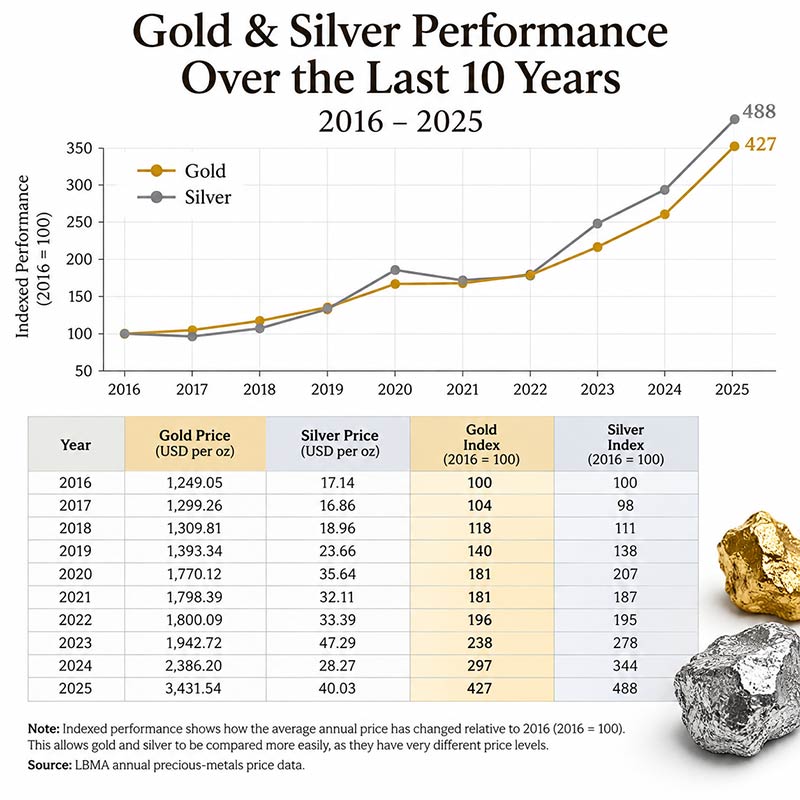
Silver's combination of industrial demand and precious-metal status makes its market particularly interesting. Investment demand, industrial consumption, mine supply and recycling can all influence its price.
That is why dramatic headlines about silver “running out” need context. The more useful question is how future supply will respond if demand continues to grow.
What Does This Mean for Silver Jewellery?
For jewellery lovers, solid silver has something that goes beyond commodity prices: it can be shaped into a piece of wearable art.
A handmade silver piece combines the intrinsic value of the metal with design, labour, craftsmanship and personal meaning. It can be worn and enjoyed rather than simply stored.
Silver jewellery should not be presented as a guaranteed financial investment. Silver prices can rise or fall, and jewellery resale values vary. But a beautifully made solid silver piece can still become something treasured for years and perhaps passed to another generation.
Custom-Made Solid Silver Body Jewellery
At Hidden Delites, our solid silver body jewellery is handcrafted to order. Here are three very different ways to enjoy this remarkable precious metal.
Handcrafted silver nipple shields designed to adorn the breasts without piercing. Silver Waist Chains
Elegant silver body chains designed to accentuate the waist. Silver Toe Rings
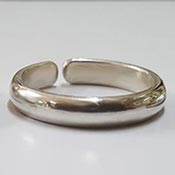
Handcrafted silver toe rings for him and her.
Choose solid silver jewellery for its beauty, craftsmanship and individuality — and enjoy owning a piece made from a genuine precious metal.
Questions & Answers
Will silver really run out in 20 years?
Not necessarily. Dividing estimated reserves by current annual mine production can produce a figure of roughly two decades, but reserves are dynamic. Exploration, recycling, prices, technology and new discoveries can extend the period considerably.
Why is silver so important to modern industry?
Silver has exceptional electrical and thermal properties, making it useful in electronics, solar technology and many specialist applications as well as jewellery.
What happens if silver becomes harder to obtain?
Higher prices would encourage recycling, exploration and more efficient use of silver. Manufacturers may also reduce silver content or seek alternatives where possible.
Does silver scarcity make jewellery a guaranteed investment?
No. Solid silver jewellery contains valuable metal, but its price and resale value also depend on craftsmanship, design, condition and the wider market. Neither silver prices nor future jewellery values are guaranteed to rise.
What Do You Think?
Have you ever thought about how much silver modern life consumes? What do you think would happen if easily mined silver became much scarcer? Your comments, feedback and ideas are always welcome.
Hidden Delites has been making custom handmade nipple and body jewelry since 2001.
Your comment has been submitted and will appear after approval.